







Music
Surviving the Dakar: Preparation is the key

Nov
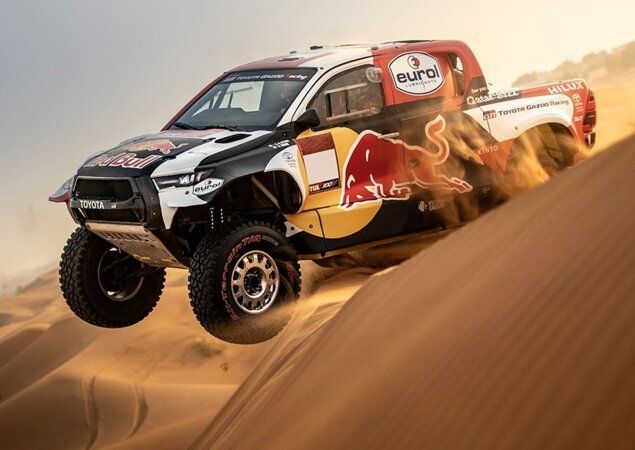
The Dakar is undoubtedly one of the most extreme and challenging car races in the world. If you're dreaming of taking part in this epic race, preparing your vehicle is essential. In this guide, we'll tell you what you need to survive the Dakar. All the modifications and adjustments necessary to make your car ready to face the dunes, deserts and most hostile terrain.
1. The Chassis: The Base of Everything
- Structural reinforcement: The chassis must be able to withstand the constant vibrations and shocks of rallying. The installation of an approved safety cage is essential to ensure the protection of the driver and co-driver.
- Suspension and damping: A robust and adjustable suspension is key to maintaining control of the vehicle on any terrain and being able to survive the Dakar. Long-travel shock absorbers and reinforced springs are essential.
2. Engine: Power and Reliability
- Power boost: While raw power isn't everything, a strong and reliable engine will allow you to overcome obstacles with greater ease. Consider modifications such as remapping the ECU, installing a higher-performance turbocharger, or optimizing the intake and exhaust system.
- Refrigeration: In the extreme conditions of the Dakar, an efficient cooling system is vital. Fit a larger radiator, an additional fan and a protection system to prevent stone damage.
3. Transmission and Brakes:
- Reinforced transmission: The transmission must be able to cope with the high torque and constant demands of rallying. It reinforces the axles, the differentials and uses a gearbox with short ratios for better acceleration.
- High performance brakes: Brakes are essential for controlling speed on steep descents and in emergency situations. Opt for large diameter ventilated brake discs and high friction pads.
4. Tires and Wheels:
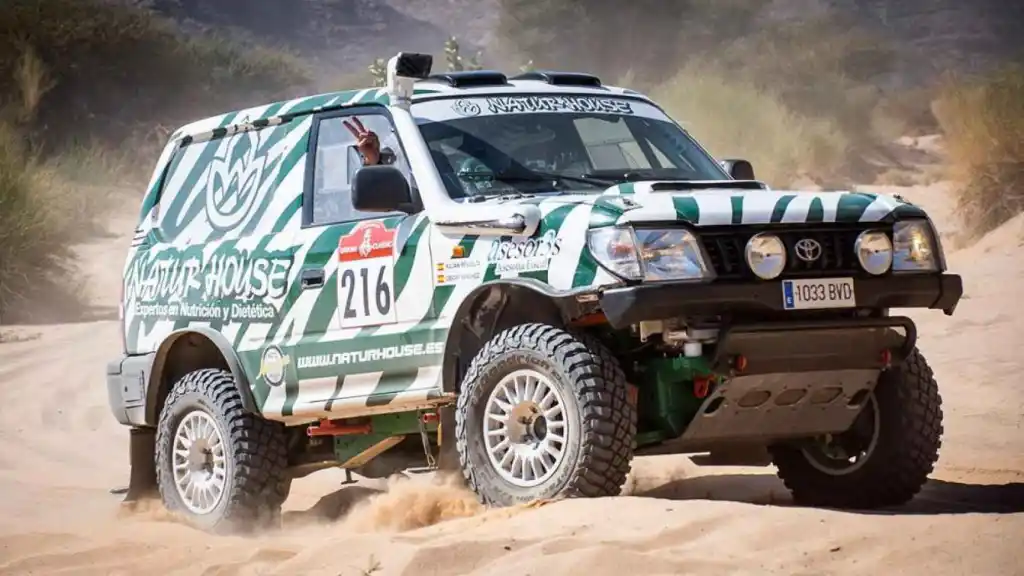
- Off-road tires: Tire selection is crucial. Look for tires with an aggressive tread pattern to provide excellent traction on different types of terrain.
- Light alloy wheels: Alloy wheels are stronger and lighter than steel wheels, improving handling and reducing unsprung weight.
5. Protection and Security:
- Skid plate: Protects the engine crankcase from impacts with rocks and other obstacles.
- Side protections: Install side protection to prevent damage to the bodywork and mechanical components.
- Fire extinguishing system: An automatic fire extinguishing system is mandatory in many competitions and can save your life in an emergency.
6. Additional equipment:
- Navigation equipment: A high-precision GPS and a roadbook are essential to orient yourself in the desert.
- Comunication team: A reliable communication system will allow you to stay in touch with your support team.
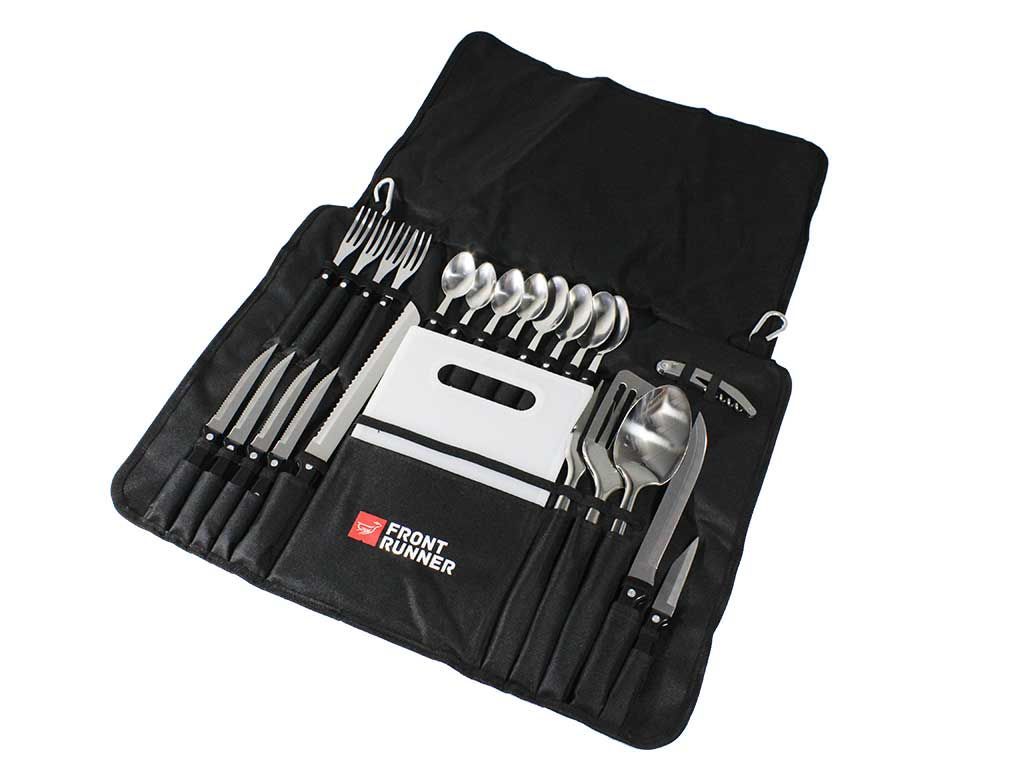
- Tools kit: Carry a complete tool kit to make emergency repairs.
Remember! Preparing a car for the Dakar Rally is a complex and expensive process that requires technical knowledge and experience. Ideally, you should seek advice from a team of rally professionals.
Want to learn more about preparing vehicles for the Dakar Rally? Leave your questions in the comments and we'll be happy to answer them.
And remember, if you need any accessories for your trip, don't forget to visit our online store or our Instagram and feel free to ask us any questions you may have.
